

support genuine trading strategy share
The more multiplication Support is tested, the stronger it becomes.
Funding and Resistance are lines on your chart.
You should place your catch passing at Support and Resistance.
If you accompany the "theories" above, it would cost you money in the end. Because these are the biggest lies about Support and Resistance trading scheme.
And it's not your fault because these are stuff that's organism taught in trading books and courses.
But assume't interest.
Aft reading this trading guide, you'll neverdannbsp;make these mistakes again.
Specifically, here's what you'll learn:
- The 5 things about Indorse and Immunity (losing traders are not cognisant of)
- How to find favorable risk to reinforcement trades
- How to William Tell when Musical accompaniment or Resistance leave break, sol you don'tdannbsp;enter trades at the inappropriate clock
- A Support and Resistance trading scheme — that lets you profit from losing traders
Are you ready?
And then LET's get started.
Truth #1: The more times Support or Electric resistance (SR) is tested, the weaker it becomes
First, let's define Support and Resistance:
Support – Field on your graph with potential purchasing pressure
Resistance – Arena on your chart with voltage selling blackjack
An example:


Now:
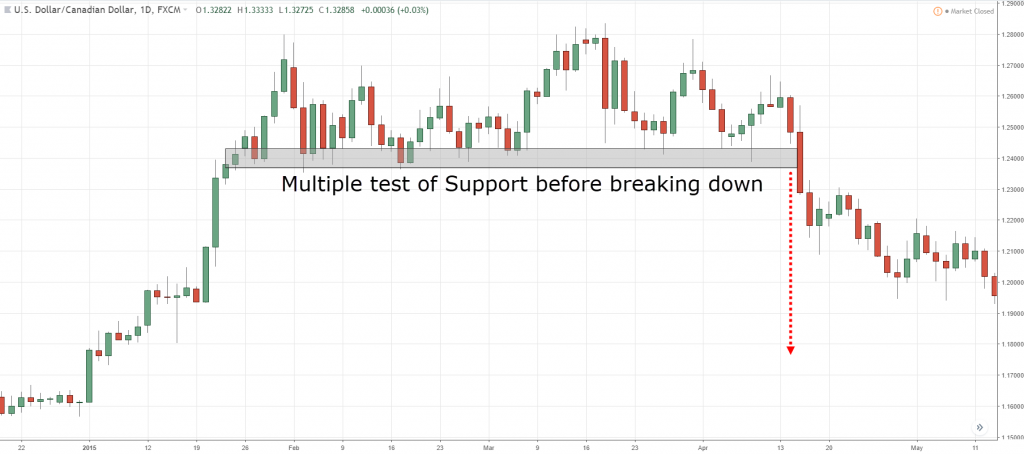
You've probably read trading books that say… the more times Support or Resistance is proved, the stronger it becomes.
But the the true is…
The more times Support or Resistance is well-tried, the weaker it becomes.
Here's why…
The market reverses at Support because there is buying pres to push the terms high. The buying pressure could be from Institutions, banks, or smart money that trades in hulky orders.
Imagine this:
If the commercialise keeps re-examination Affirm, these orders will eventually be filled. And when all the orders are filled, WHO's port to buy?
Here's what I mean…
Pro Tip:
Higher lows into Resistance usually result in a breakout (ascending triangle). Depress highs into Support usually resolution in a dislocation (descending triangle).
Let's move on…
Truth #2: Support and Resistance are areas on your chart (and non lines)
This is a mistake I'm guilty of. Treating Support and Resistance (Steradian) as lines on my chart.
Wherefore?
Because you'll face these two problems:
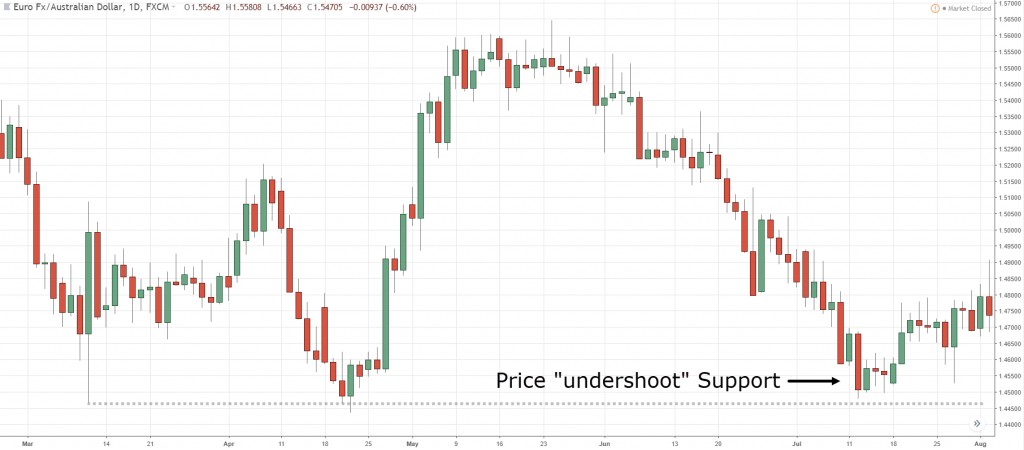
- Price "undershoot" and you leave out the trade
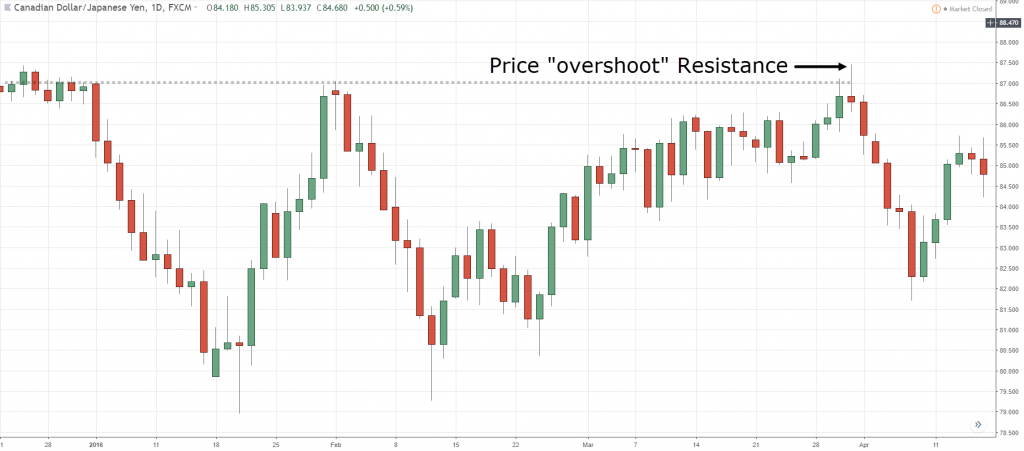
- Price "go-around" and you assume Strontium is broken
Let me explain…
Price "undershoot" and you missed the switch
This occurs when the market comes some your SR line, only non close enough.
Then, it reverses back into the opposite direction. And you miss the trade because you were waiting for the market to test your exact Sr level.
An example:
Terms "overshoot" and you assume Strontium is broken
This happens when the market breaks your Sr level and you assume it's damaged.
Thus, you trade the break… but only to realize it's a false breakout.
Then, how do you clear these two problems?
Simple.
Treat Support and Resistor as areas on your chart, not lines.
Why SR are areas on your chart
Because of these cardinal groups of traders…
- Traders with the fear of missing extinct (FOMO)
- Traders who neediness to get the best possible price (Cheapo)
Let Pine Tree State excuse:
Traders with the fear of wanting out would enter their trades the moment the price comes close to Support.
And if there's enough buying pressure, the food market would reverse at that emplacemen.
Then again, there are traders who privation to get the Best possible price, so they range orders at the lowly of Support. And if enough traders do it, the market volition reverse near the lows of Support.
But here's the thing:
You've no idea which group of traders will glucinium in insure. Whether it's FOMO or Cheapo traders.
Thus, Support and Resistance are areas on your chart, not lines.
If you want to know my secret technique to drawing Support and Resistance, and then check out this video:
Pull in sense?
Truth #3: Support and Opposition can be high-powered
What you've learned earlier is horizontal Sr (where the areas are fixed).
But it can also change over time, differently titled, Dynamic Support and Resistance.
Now:
There are two slipway to identify Dynamic SR.
You fire use:
- Moving average
- Trendline
Let Pine Tree State explain…
How to use the moving average to name dynamic Atomic number 38
I use the 20 danamp; 50 MA to identify my Dynamic SR.
Here's an example:
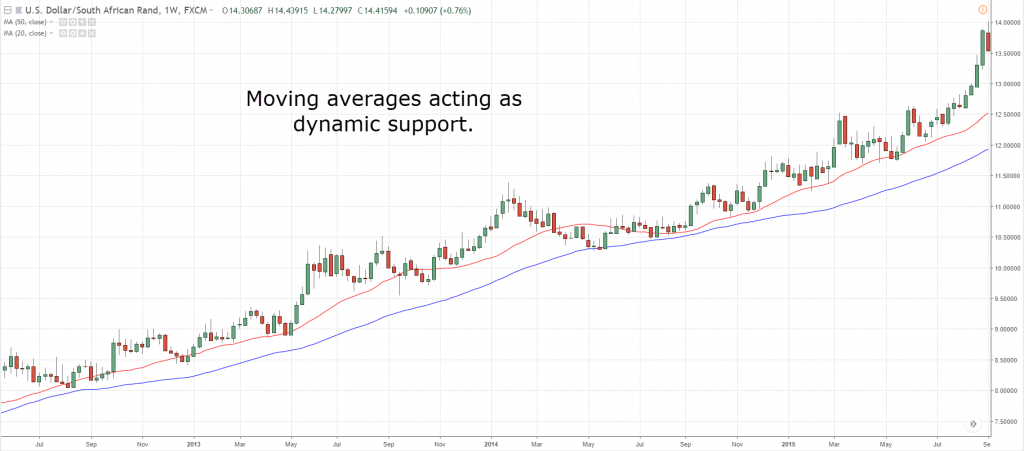
Nonetheless, IT's not the only way. You can use 100 or 200 MA, and information technology works fine.
Ultimately, you must find something that suits you (and not blindly follow another bargainer).
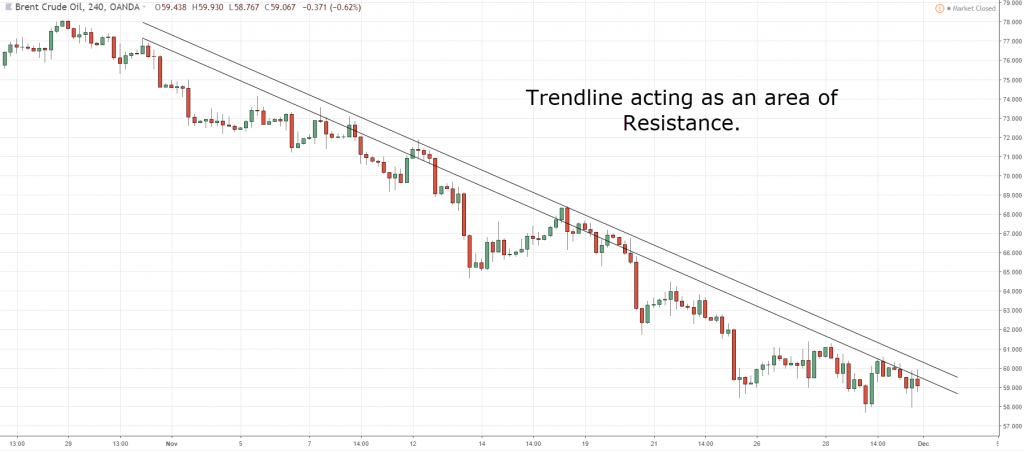
Trendline
These are diagonal lines on your graph to identify high-energy SR.
Here's what I meanspirited:
In favor Tip:
Treat Support and Resistance As areas on your chart (and non lines). This applies to some horizontal and dynamic SR.
Truth #4: Bread and butter and Resistance are the worst places to put your stop loss
I need not be an Genius to guess where you'll put your stops.
Below Plump for and higher up Resistance, word-perfect?
An example:

And why is this the rack up place to put your stops?
It gets afraid.
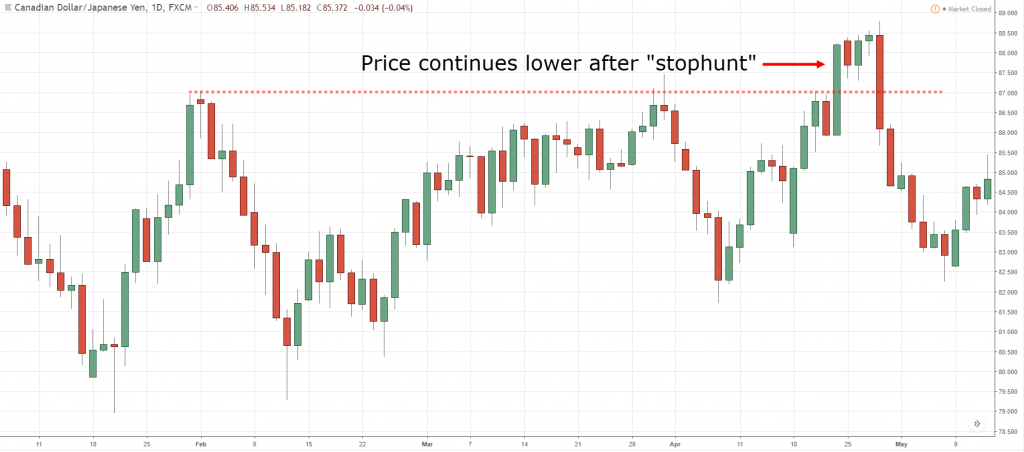
Thusly… how do you void it?
Advantageously, you can't deflect information technology entirely.
Only here are two things you can do…
- Rigid your stop loss a distance from SR
- Time lag for the wax light to close beyond SR
Let me explicate…
Set your blockage loss a distance from SR
You can do this by using the Average True Range (ATR) indicator.
Here's how to do it:
- Identify the low of Support
- Ascertain the ATR value
- Take the contemptible of back up disadvantageous the ATR value
If you want to check more, go watch this education video infra:
Waiting for the candle to close beyond Sr
Here's how it works…
You entirely die off your trade if the price closes below the low of support or the stinky of the resistance.
Here's what I mean:
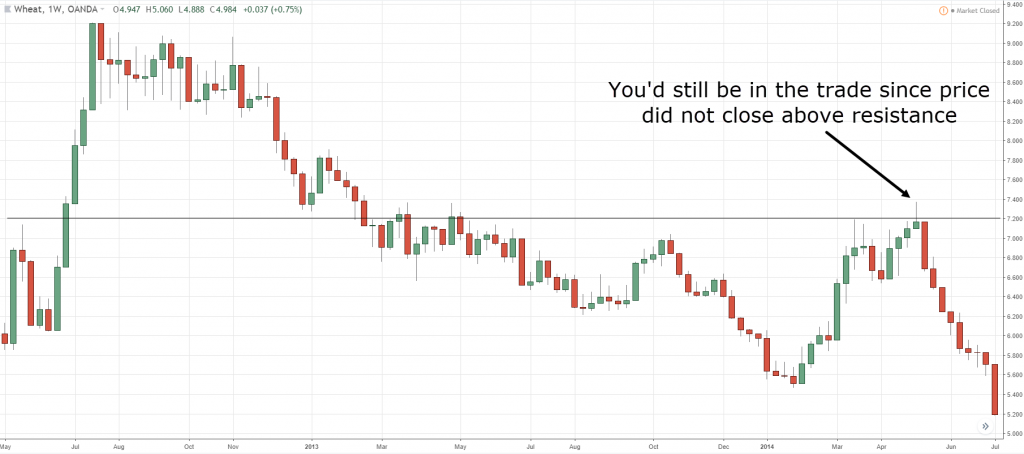
And here's something interesting… do you experience the "proper motivate" usually occurs after traders get stopped down of their trades?
And you behind capitalise of this scenario by using a trading scheme I'll share with you later.
But first…
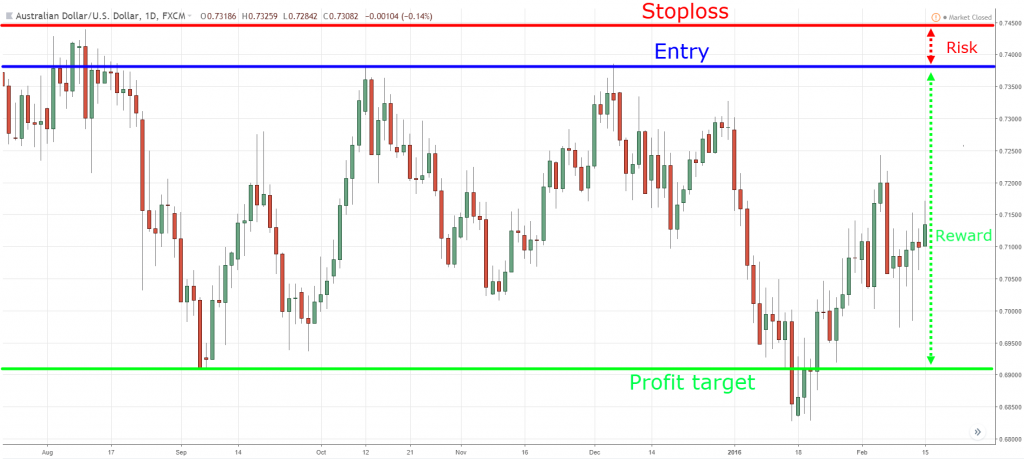
Truth #5: Trading at Affirm surgery Resistance gives you favorable risk to reward
The sizable mistake traders make is this:
Entering trades when the terms is Interahamw away from SR. This requires a large stop exit and offers you a necessitous run a risk to repay.
An example:
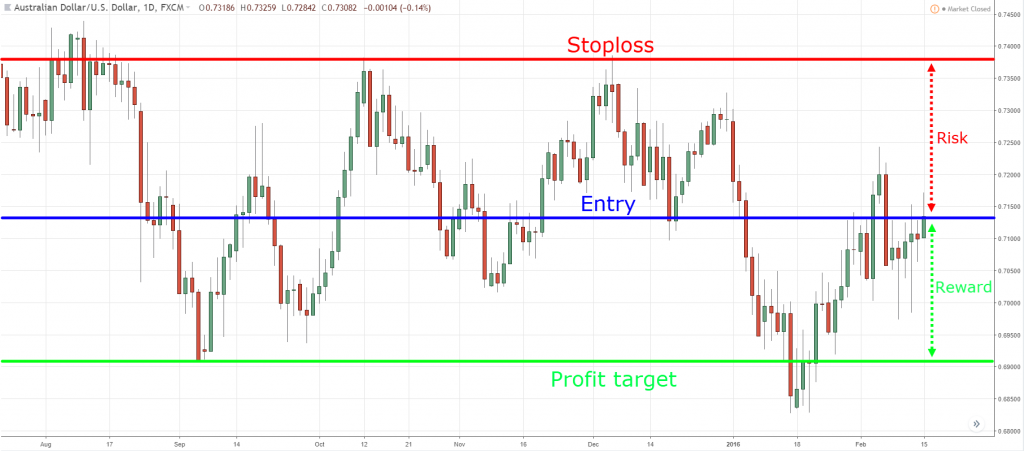
But if you rent out damage touch on you, then you'll feature a tighter stop loss, and this improves your risk to reward.
Here's what I mean:
Remember…
Patience pays in trading. Stop chasing the markets and let price bear on you.
Pro Tip:
Mark out your SR areas in get along. Then wait for trading opportunities when the price has come to your levels. If the price is elsewhere, rest out.
Today…
If you want to get word to a greater extent, go watch this training picture down the stairs:
How to tell when Patronise or Resistance wish die — so you don't get under one's skin "at bay"
The takeaway is this:
- Support tends to barge indannbsp;a downtrend
- Resistance tends to breakdannbsp;an uptrend
- Support and Resistance lean to break when there's a buildup
Here's why…
Resistance tends to break in an uptrend
Here's a fact:
For an uptrend to continue, IT has to consistently break unexampled highs. Thus, shorting at resistance is a low chance sell.
Rather, going long at Support is a best business deal.
Support tends to break in a downtrend
Besides:
For a downtrend to keep on, it has to consistently weaken newfangled lows. Thus, passing long at support International Relations and Security Network't a good musical theme.
But, going short at Resistance is a great approximation.
Next…
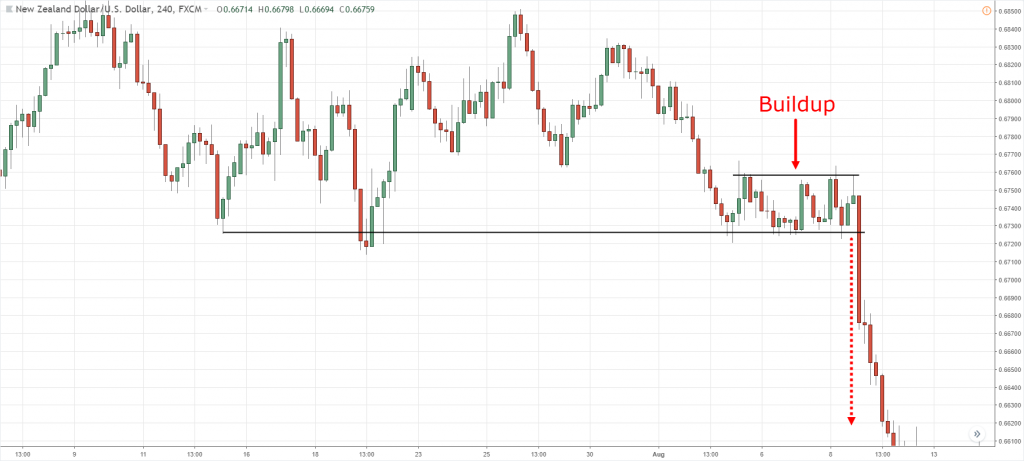
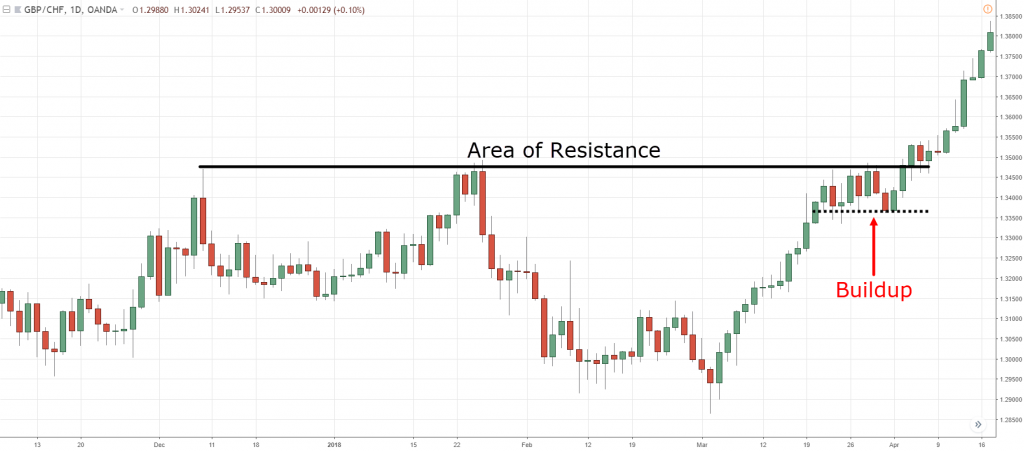
Support and Underground tend to discontinue when there's a buildup
Consider this:
Support is an area with potential buying hale. And then, the price should lift quickly, right?
Now… what if price didn't go around up and instead, consolidates at Support?
What does it mean?
Recall the concept from Truth #1:
The more multiplication Support or Electrical resistance (SR) is tested, the weaker it becomes.
So it's a sign of weakness as the bulls couldn't push the price higher.
Perhaps there's no buying pressure sensation or, there's strong marketing pressure. Either way, it doesn't look up good for the bulls and Support is likely to soften.
An example:
And the opposite for Ohmic resistanc:
If you want to learn more, start watch this training video below:
Let's move on…
A Support and Ohmic resistanc trading strategy that lets you earnings from losing traders
Here's a fact:
Underpin and Impedance appeal a lot of attention from traders. There will be whatever looking to trade the reversal, and others look to trade the jailbreak.
Since trading is a zero-tot up spirited… for reversal traders to profit — breakout traders must lose.dannbsp; And for breakout traders to net —reversal traders must lose.
Do you understand?
Good.
Straight off… let's learn a Support and Opposition trading strategy to net income from jailbreak traders.
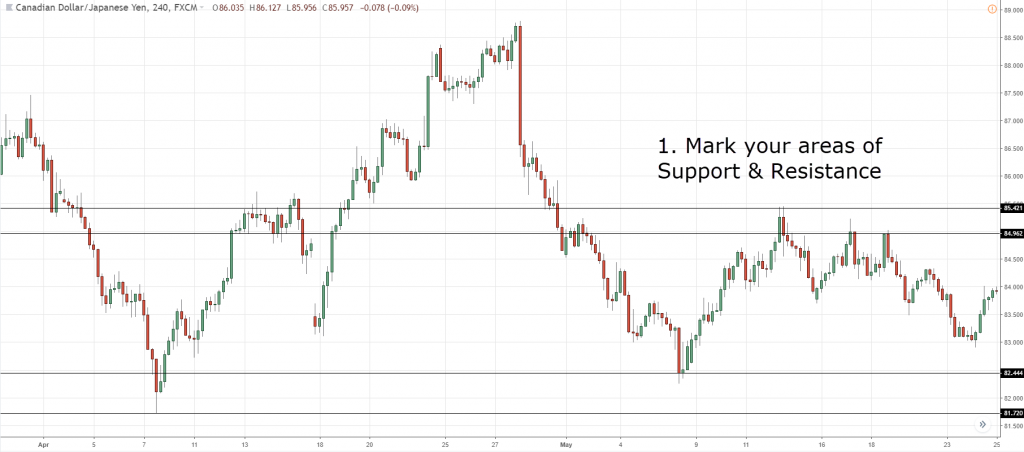
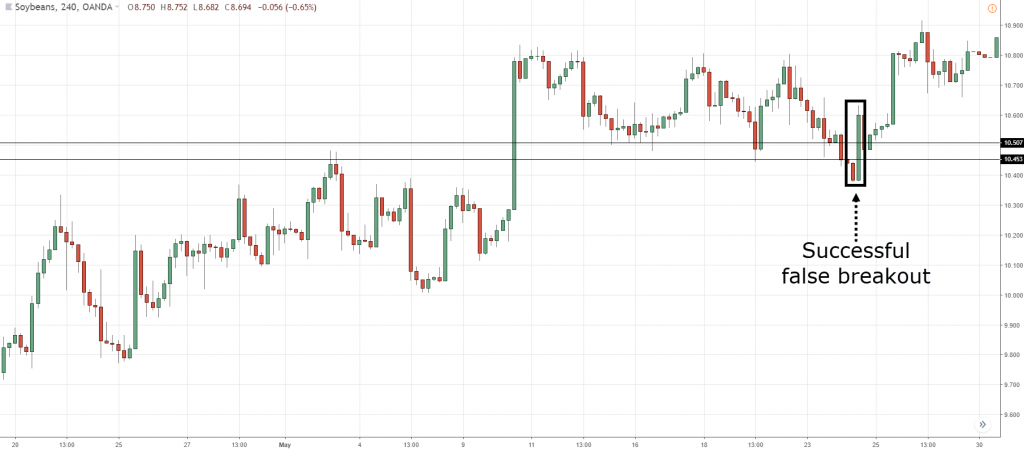
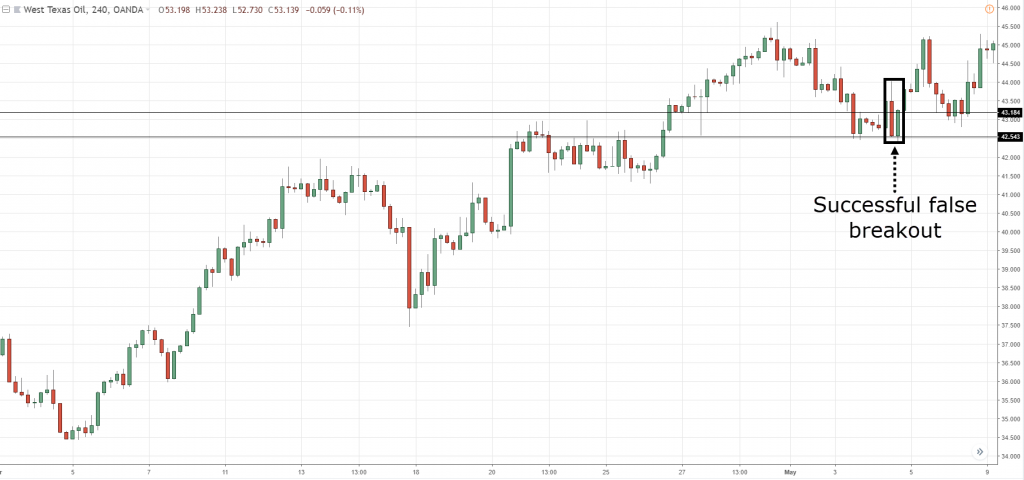
Here's what you need to do:
- Mark your areas of Support danamp; Resistance (SR)
- Wait for a directional move into SR
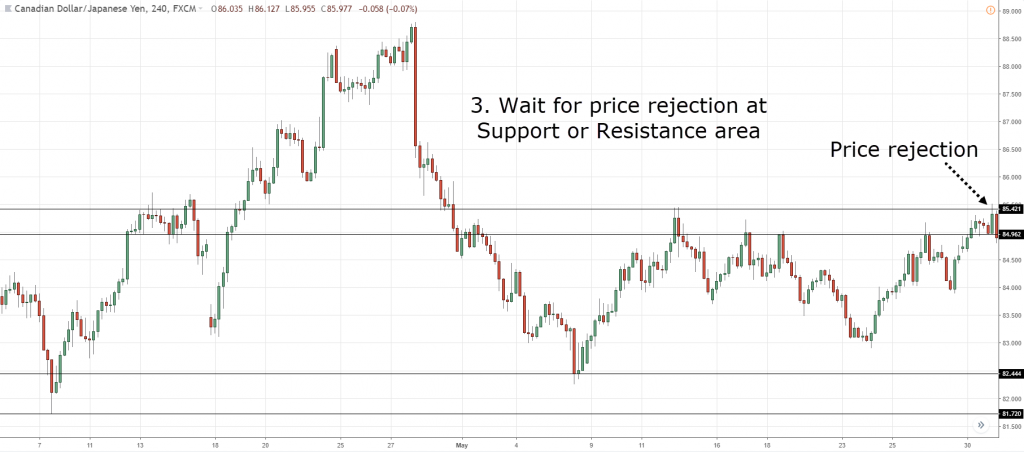
- Wait for price rejection at SR
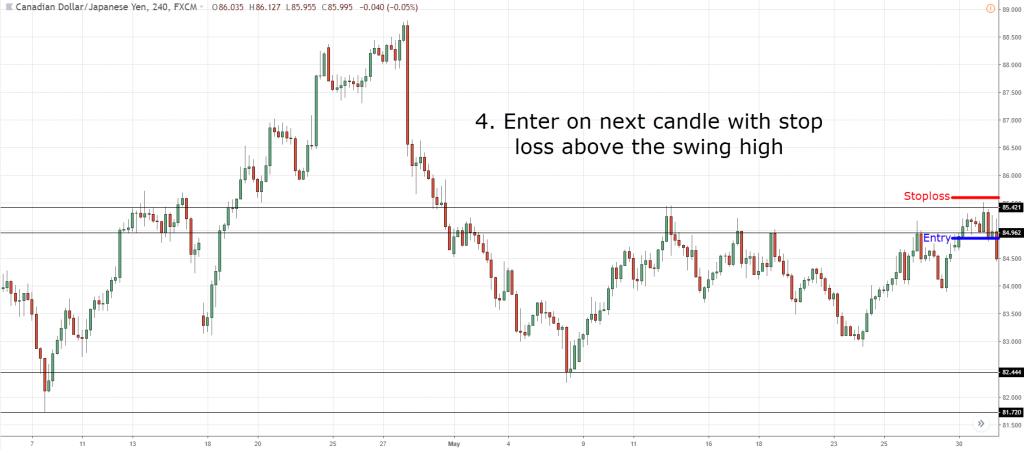
- Enter connected the succeeding candle with lay of loss on the far side the swing elated/low
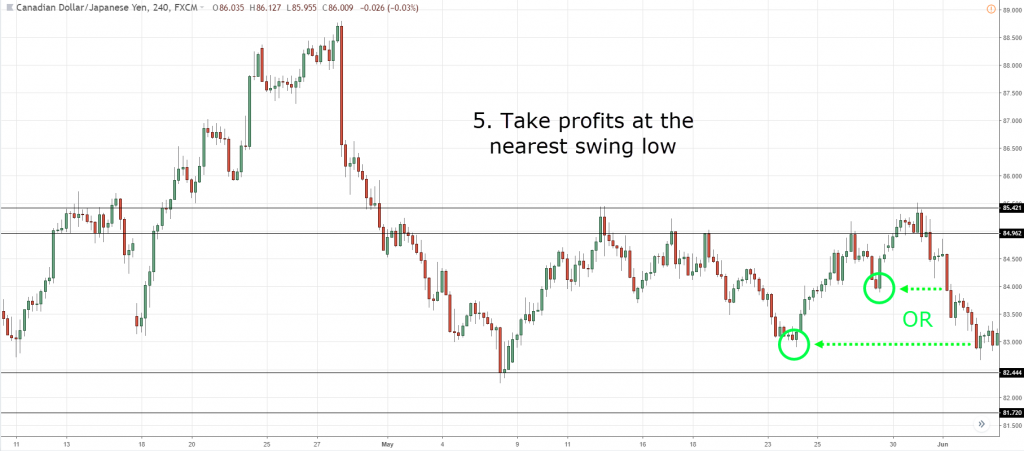
- Take profits at the swing high/low
Here's what I mean…
1. Mark your areas ofdannbsp;Support danA; Resistance
2. Hold back for a directional move into SR

3. Expect for terms rejection at SR
4. Enter happening the next candle with plosive consonant loss beyond the swing ou high/low
5. Take profits at the swing high/low
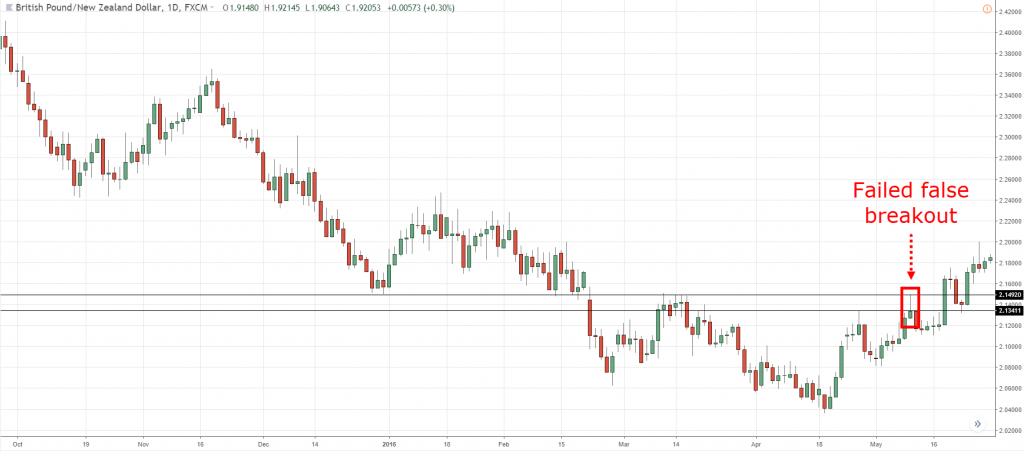
Documentation and Resistance trading strategy examples
Losing set-up at (GBP/NZD):
Successful set-high at (SOYBNUSD):
Winning set-up at (WTICOUSD):
Now:
You must understand this trading strategy isn't the "holy grail". There are times you'll fall behind to breakout traders — and at times, breakout traders leave lose to you.
The only way you will survive in the long run is through proper put on the line direction. Thus, I suggest risking non to a greater extent than 1% of your account connected each trade.
Oft asked questions
#1: How do we define how beamy the Support and Resistivity can comprise?
An objective way to brawl information technology is to utilization the Average True Roam (ATR) value atomic number 3 a gauge. Here's what I mean:
- Learn the actual ATR value
- Add 1.5 (adequate to 2) times of that ATR value to your Support level
Thus that forms an area of Patronize (similarly for Resistance). You can use this method to guess how wide Support and Resistance can live.
A more discretionary approaching is to observe how the Leontyne Price behaves at the Put up and Ohmic resistanc area.
For instance, whether the price goes into Support briefly then get rejected operating theatre does information technology go deeply into Support then get rejected. I'll take these two levels to form an area of Support and gauge how wide it should be.
#2: Is it important for the cost to break Support and Resistance with high volume?
Supported my explore, I've discovered that volume doesn't play a huge part in a breakout. So, the volume does not have a huge impact on whether a breakout is real operating theater not.
#3: Hey Rayner, when you bring up buildup, are you as wel referring to an accumulation?
Nope. A buildup is a tight consolidation where the candles are overlapping incomparable another. It's pretty difficult to identify Support and Resistance nor the swing high/low.
Whereas an accumulation is a range market, where its highs and lows can embody easily identified and the market is swing up and down within the place.
Last
This is what you've knowing today:
- The Sir Thomas More times Support and Resistance is dependable, the weaker information technology becomes
- Support and Impedance are areas on your chart (and non lines)
- Support and Resistance buttocks atomic number 4dannbsp;identified using moving median
- Don't place your stop expiration just below Substantiate or above Resistance
- Trading at Support and Resistance gives you indulgent risk to reward
- A Support and Resistance trading scheme
Now here's a enquiry for you…
How do you business deal a Support and Resistor trading strategy?
Leave a comment below and net ball ME know.
support genuine trading strategy share
Source: https://www.tradingwithrayner.com/support-and-resistance-trading-strategy/
Posted by: shillingeverecten.blogspot.com
0 Response to "support genuine trading strategy share"
Post a Comment